

Hiring the Perfect Audio Visual Technician: Tips You Need to Know

If you’ve ever been in the middle of an important event only to have the microphone cut out, the projector freeze, or the speakers crackle with feedback, you already know the frustration of poor technical support. The reality is simple: your event is only as strong as the team behind the audio visual setup. That is why hiring the right AV technician is one of the most important decisions you can make as an organizer.
The difference between smooth execution and a technical disaster almost always comes down to the expertise of the AV technician running the show. This guide will help you identify what to look for, what questions to ask, and how to select the right professional for your next event.
Why You Need an AV Technician
An audio visual technician is not just “someone who sets up gear.” They are the safeguard that ensures your message is delivered without distraction. Their responsibilities typically include:
- Setting up and operating sound systems, microphones, and speakers
- Managing projectors, LED screens, or video walls
- Coordinating lighting design to match the mood of the event
- Troubleshooting technical issues in real time
Think of them as the invisible partner who makes your event look and sound seamless. Without them, you risk your audience remembering the technical failures instead of your content.
Step 1: Know What You Need
Before you start searching for candidates, take time to outline the scope of your event. Each type of event has unique technical requirements:
- Small gatherings: Basic sound system, one or two microphones, and modest lighting
- Corporate conferences: Multiple microphones, breakout room setups, large projection or LED walls, confidence monitors for speakers
- Concerts or live performances: Advanced sound reinforcement, intelligent lighting systems, and live video feeds
Ask yourself key questions:
- What’s the size of the event?
- Will you use video, live streaming, or interactive content?
- Do you have specific equipment in mind?
A clear sense of your needs will help you find a technician with the right skill set and experience.
Step 2: Decide on Equipment Requirements
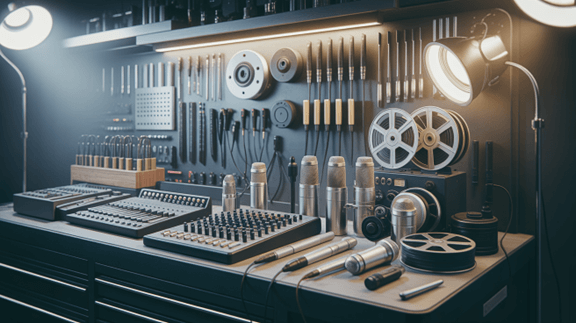
Not all AV technicians work with the same tools. Some specialize in live sound, others in projection and video, while full-service technicians handle both. Start by making a list of your essential equipment needs, including:
- Sound: How many microphones? Will you need wireless or lapel mics? How many speakers to cover the room evenly?
- Visuals: Will you use projectors, LED video walls, or smaller monitors?
- Lighting: Do you need stage spotlights, lighting for ambiance, or advanced colored lighting for effects?
Matching the event’s technical demands with the technician’s capabilities ensures you hire someone who can deliver without compromise.
Step 3: Find Qualified Local AV Technicians
The market is full of skilled AV technicians, but that can make choosing the right one overwhelming. A few reliable ways to find qualified professionals include:
- Industry recommendations: Ask trusted event planners or venues who they rely on for AV support.
- Professional networks: LinkedIn, Indeed, and local event directories often list available AV specialists.
Hiring locally not only reduces logistical costs but also ensures your technician is familiar with the venues and technical standards in your area.
Step 4: Verify Experience and Reputation
Hiring an AV technician without checking their background is like booking a venue without visiting it first. Reviews, references, and past projects reveal more about their professionalism than a resume ever could.
When reviewing candidates, pay attention to qualities that matter most during live events:
- Punctuality: Do they arrive prepared and on time?
- Professionalism: Are they approachable and easy to collaborate with?
- Problem-Solving: Can they troubleshoot under pressure without disrupting the flow of the event?
Experience is a major differentiator. A technician who has worked across a range of event types, conferences, weddings, live performances, brings a calm confidence to last-minute issues. Always ask for references and, when possible, speak directly with past clients.
Step 5: Schedule a Meeting
After narrowing your shortlist, arrange a meeting, whether in person or virtual. This conversation should cover not only technical details but also give you a sense of the technician’s communication style and reliability.
Ask questions such as:
- Have you managed AV for events similar to mine?
- What equipment do you own, and what would need to be rented?
- Do you charge a flat rate or hourly?
- Can you provide references?
A good technician will not just answer your questions but will ask their own, demonstrating interest in the event’s success.
Step 6: Discuss Equipment and Setup

Time is often the hidden variable in AV planning. Equipment setup, sound checks, and lighting adjustments can take hours. Confirm how much time the technician will need, whether they will run rehearsals, and how they plan to test equipment with each presenter or performer.
Clarify responsibilities as well, will they supply their own equipment, or will rentals be required? Early communication prevents logistical bottlenecks on event day.
Step 7: Confirm Pricing and Fees
Pricing structures vary. Some AV technicians charge a flat rate per event, while others bill hourly. Additional costs may include overtime, travel expenses, or equipment rentals. Transparency here is critical.
Build a simple budget with a contingency buffer for unexpected costs. Having a candid conversation about fees upfront prevents last-minute surprises and ensures the partnership remains professional.
Step 8: Check Insurance and Safety Standards
AV equipment is expensive and event environments can be unpredictable. Confirm that your technician carries liability insurance and that their equipment is properly insured.
Safety is equally important. Look for technicians who demonstrate a commitment to safe practices, taping down cables in high-traffic areas, properly securing lighting rigs, and maintaining orderly setups. A responsible technician protects both your guests and your reputation.
Expert Insight: Beyond the Checklist
While the steps above help you filter candidates, choosing the right AV partner requires looking deeper. Here are some additional factors we recommend considering:
- Cultural fit: The best AV technicians integrate seamlessly with your team and share your commitment to guest experience.
- Adaptability: Events rarely go exactly as planned. A technician who stays calm and flexible under pressure is invaluable.
- Future-readiness: Technology evolves quickly. Look for professionals who stay current with new tools, such as AV-over-IP, hybrid event platforms, or advanced DSP systems.
These qualities often separate a competent hire from a truly outstanding partner.
Wrapping Up
Hiring an AV technician is not just about finding someone who knows how to plug in equipment. It is about choosing a partner who will ensure your event runs smoothly, professionally, and without distraction.
Whether you are hosting a corporate conference, a wedding, or a live performance, the right technician ensures that your message is heard, your visuals shine, and your guests leave impressed. Take the time to find a qualified professional, and your event will benefit from seamless production that elevates the entire experience.
At Alliant Events, we’ve built our reputation on delivering AV support that goes beyond the basics. From small gatherings to large-scale productions, our technicians bring the expertise, reliability, and creativity that ensure every event is a success.
Ready to hire the right AV team for your next event? Contact AlliantEvents.com to learn how we can help turn your vision into reality.

Sanjay Patel
Sanjay Patel has been the Chief Executive Officer of Alliant Events since 1991. Under his leadership, the company has delivered audio-visual services for various events, including special events, trade shows, and live performances.
He holds a Bachelor of Science degree in Electrical Engineering with a focus on Electrical and Electronics Engineering from the University of California, Irvine.